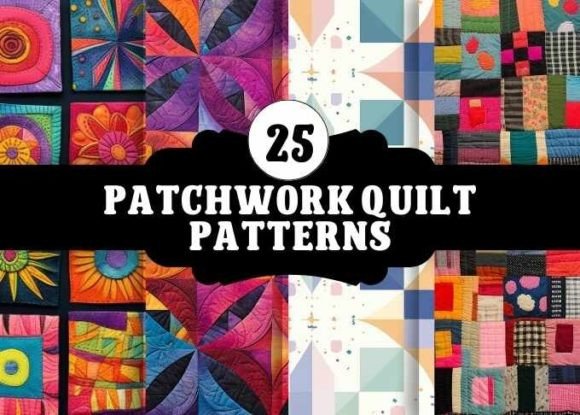
Patchwork Quilt Patterns
When it comes to adding a unique and eye-catching element to your creative projects, Patchwork Quilt Patterns offer a versatile and visually appealing solution. These intricate designs, made up of small pieces of fabric or digital elements arranged in a cohesive pattern, bring warmth, texture, and character to any design. Whether you're working on textiles, digital backgrounds, or graphic design projects, these patterns can elevate the aesthetic and functionality of your work.
Patchwork Quilt Patterns are not just for traditional quilting enthusiasts. Their adaptability makes them suitable for a wide range of applications. From interior design to web development, the possibilities are endless. The key lies in understanding how these patterns can be tailored to meet specific needs and preferences.
Real-World Applications of Patchwork Quilt Patterns
The beauty of Patchwork Quilt Patterns is that they can be applied across various industries and purposes. Here are some real-world situations where they shine:
- Interior Design: Patchwork quilt patterns can be used as decorative elements in homes, from throw pillows to wall hangings. They add a sense of nostalgia and charm, making spaces feel more inviting.
- Textile Manufacturing: In the fashion industry, these patterns can be incorporated into clothing lines, creating unique and wearable art. Designers often use patchwork techniques to create standout pieces that stand out from mass-produced items.
- Digital Backgrounds: For website designers and app developers, using Patchwork Quilt Patterns as background images can add depth and visual interest without overwhelming the user interface. These patterns can be scaled and adapted to fit different screen sizes and resolutions.
- Graphic Design Projects: Graphic designers can leverage these patterns in branding materials, packaging, and promotional content. They provide a rich visual texture that can help convey a brand's personality and values.
Who Benefits from Patchwork Quilt Patterns?
Patchwork Quilt Patterns cater to a diverse audience with varying needs and goals. Here’s how different users can benefit:
Home Decor Enthusiasts: Those looking to personalize their living spaces will find these patterns perfect for DIY projects. Whether creating a custom quilt or reupholstering furniture, the versatility of patchwork allows for endless customization.
Crafters and Artists: Artists who enjoy working with textiles can explore new techniques and styles by incorporating patchwork into their work. It offers a way to blend traditional methods with modern aesthetics.
Businesses and Brands: Companies aiming to stand out in a crowded market can use these patterns in their branding. A well-designed patchwork pattern can become a signature element of a brand’s identity, helping to create a memorable impression.
Web Developers and Designers: For those in the tech industry, integrating Patchwork Quilt Patterns into websites and apps can enhance the user experience. These patterns can be used subtly to add texture without distracting from the main content.
Considerations Before Using Patchwork Quilt Patterns
While Patchwork Quilt Patterns are incredibly versatile, there are a few considerations to keep in mind before using them:
- Scale and Resolution: When using these patterns digitally, ensure they are high-resolution to maintain clarity at different sizes. Low-quality images can appear pixelated when enlarged.
- Color Harmony: Choosing the right color palette is essential. Too many contrasting colors can make the pattern look chaotic, while too few may result in a dull design. Experiment with combinations that complement each other.
- Texture and Material: If working with physical materials, consider the texture of the fabric. Different fabrics can affect how the pattern looks and feels, so it’s important to choose materials that align with the intended use.
- Licensing and Copyright: If using pre-made patterns, always check the licensing terms. Some patterns may require attribution or have restrictions on commercial use.
Strengths and Limitations of Patchwork Quilt Patterns
The strengths of Patchwork Quilt Patterns lie in their ability to transform simple elements into something complex and beautiful. They are highly customizable, allowing users to tailor them to specific needs. Additionally, they offer a timeless appeal that can be appreciated across generations.
However, there are limitations to consider. For instance, creating a high-quality patchwork design can be time-consuming, especially for beginners. It also requires attention to detail and an understanding of design principles to achieve the desired outcome. Furthermore, not all digital platforms support the use of complex textures, which can limit their application in certain contexts.
Practical Examples and Observations
One practical example of using Patchwork Quilt Patterns is in the creation of custom gift wrap. By combining different fabric scraps, you can create a one-of-a-kind wrapping paper that adds a personal touch to any present. Another example is using these patterns in home decor, such as creating a patchwork throw blanket that brings warmth and style to a living room.
Observing how these patterns are used in different settings can inspire new ideas. For instance, a local boutique might use a patchwork pattern on its window displays to create a cohesive and visually engaging storefront. Similarly, a tech startup could incorporate a subtle patchwork background into its website to reflect its innovative and creative spirit.
Whether you're a designer, artist, or simply someone looking to add a unique flair to your space, Patchwork Quilt Patterns offer a world of possibilities. With careful planning and creativity, they can become a valuable tool in your creative arsenal.